How Home Appraisals Work in an Oklahoma Divorce
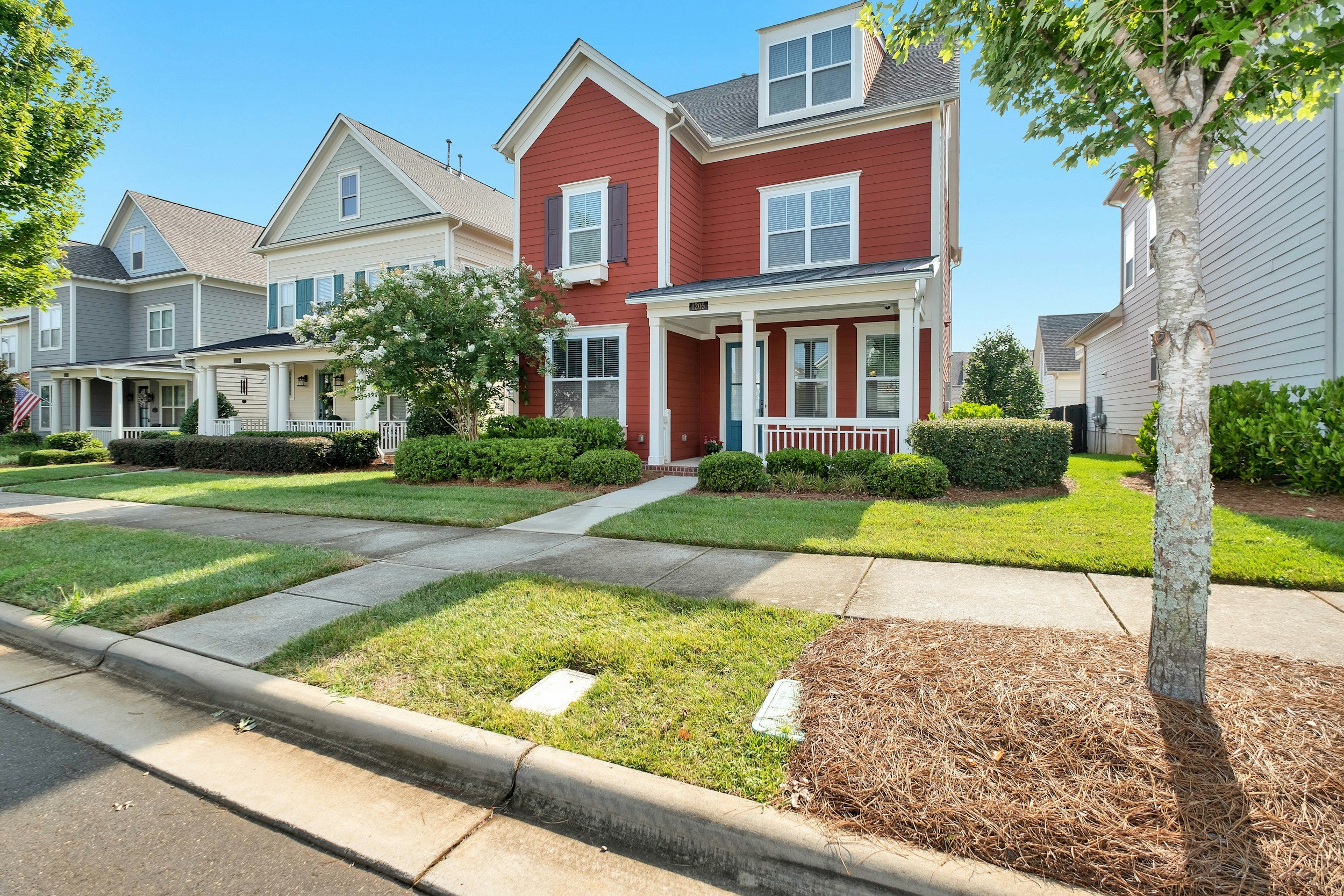
When a marriage ends and a house is involved, the house is usually the largest single thing on the table and the hardest one to agree on. Both people need one number they can build a settlement around, and that number has to survive an attorney reading it and, if it comes to it, a judge. That is what a divorce home appraisal is for. It is a formal, written opinion of market value from a state-certified appraiser who has no stake in who ends up with the house.
This is a rundown of how the process actually works in Oklahoma, who orders the appraisal, why the date attached to it matters more than most people expect, and what it takes for the report to hold up.
Why a real appraisal instead of an online estimate
Almost everyone starts with an online value estimate, and it is a reasonable place to start. It is not a reasonable place to finish. Automated estimates run off public records and recent sales without anyone setting foot in the home, so they do not know about the finished basement, the roof that is at the end of its life, or the addition that never got permitted. On the properties that come up most often in Oklahoma divorces, acreage, older homes, anything remodeled, they can be off by tens of thousands of dollars in either direction.
An agent's comparative market analysis is closer, but it is still a pricing opinion, usually prepared free with the hope of getting the listing. It is not a certified valuation, and it is not built to be examined by anyone. We wrote a fuller comparison in property appraiser vs. real estate agent, but the short version is that they are different jobs with different standards behind them.
An appraisal is the document that carries weight in a legal proceeding, because a credentialed appraiser inspected the property, measured it, selected comparable sales, made documented adjustments, and signed their name to the conclusion.
Oklahoma divides property equitably, which does not mean equally
Oklahoma is an equitable distribution state, not a community property state. A judge divides marital property in the way that is fair given the circumstances, and fair does not automatically mean a 50-50 split.
That matters for the appraisal in two ways.
First, only marital property gets divided. Property one spouse owned before the marriage, or received by inheritance or gift, is generally separate. If a home was owned before the marriage but improved with joint money during it, the picture gets complicated fast, and that is a question for your attorney rather than your appraiser. What we can do is establish value, including value at more than one point in time if the attorneys need it.
Second, because the split is not automatic, the value of the home usually gets traded against other assets. If one spouse is keeping the house and buying out the other's share, every dollar of appraised value moves the buyout. That is exactly why both sides want the number to come from someone with nothing to gain.
The valuation date matters more than people expect
This is the part that catches people off guard. An appraisal is always a value as of a specific date, and in a divorce that date is not always today.
Oklahoma law does not lock in a single valuation date for divorce cases. Judges set a date they consider just and reasonable for the situation, and the date of permanent separation is often where the acquisition of marital property stops. In a case that has been running for a year and a half in a market that has moved, the difference between "value today" and "value as of the separation date" can be significant.
So before we start, we ask one question: what effective date does the value need to be tied to? If it is a past date, we do a retrospective appraisal, which means we select comparable sales that had actually closed by that date and analyze the market as it stood then, not as it stands now. Getting that instruction from the attorney up front saves a second appraisal later.
Who orders the appraisal, and can both sides use one?
Any of the following is normal:

Both spouses jointly. The cleanest and cheapest option. One appraiser, one report, one number both attorneys work from.
One attorney, on behalf of one spouse. Also common, particularly early on when someone wants to know where they stand before negotiating.
The court. A judge can order an appraisal, sometimes naming the appraiser.
We do a lot of joint engagements, and they work because independence is not a posture here, it is the job. We are not retained to support a position. We inspect the property, we do the analysis, and the number lands where the evidence puts it. If either side disagrees, the report shows exactly which sales we used and what adjustments we made, so the disagreement can be about something specific instead of about a feeling.
If both spouses cannot agree on a single appraiser, each side can hire their own. Two competent appraisers usually land close together, and the gap between them tends to be a narrower fight than the one you started with.
What actually happens during the appraisal
The process is short and not invasive.
We get the assignment details. The property address, who is involved, which attorney or attorneys to send the report to, and the effective date the value needs.
We inspect the home. Usually 45 minutes to a couple of hours depending on size and complexity. We walk the interior and exterior, note condition, updates, and any issues, and take photos for the report file.
We measure it. Every home, to the ANSI standard, rather than trusting the county's square footage. County records are wrong often enough that this alone can change the value.
We research and analyze. We pull comparable sales that genuinely compete with the property, adjust for the real differences, and reconcile to a value.
We deliver a written report. Certified, with the comparables, the adjustments, the photos, and the reasoning, formatted so your attorney can put it straight into the file.
Both spouses do not need to be present. In most cases only one is, and often neither, if we are coordinating with an agent or a family member for access. Nobody has to be in a room with anybody.
What to do before we come out
Keep it simple.
Give us access to everything, including the garage, attic access, outbuildings, and any finished basement or bonus space. Space we cannot see is space we cannot count.
Have a list of improvements with rough dates. Roof, HVAC, windows, kitchen, bath, flooring, foundation work. Receipts help but are not required.
Mention anything permitted or unpermitted. We would much rather know up front.
Do not stage, deep clean, or make repairs on our account. It does not move an appraised value, and this is not the time to spend money on the house.
Do not tell us what you need the number to be. Either spouse asking for a target is the fastest way to make the report useless to both of you.
Frequently asked questions
How much does a divorce home appraisal cost in Oklahoma?
It depends on the size, location, and complexity of the property, and on whether a retrospective date is required. Call us with the address and we will quote it before we start. There are no surprises after the fact.
How long does it take to get the report?
For a typical home in the Tulsa metro, a few business days from the inspection. Complex properties, acreage, or a retrospective date can add time because the research is heavier. If your attorney has a filing deadline, tell us up front and we will tell you honestly whether we can meet it.
Will the appraisal say who should get the house?
No. An appraisal establishes market value only. Who keeps the home, how it is offset against other assets, and whether it gets sold are legal decisions for the parties, the attorneys, and the court.
Can I use the appraisal for the mortgage buyout too?
Not usually as-is. If one spouse is refinancing to buy the other out, the lender orders its own appraisal through their approved process. Our report is for the settlement side of the equation. Many people end up needing both, and they serve different purposes. If a refinance is coming, it is worth reading up on how a refinance appraisal differs.
What if my spouse disagrees with the appraised value?
They can hire their own appraiser. Because our report documents every comparable sale and every adjustment, a second appraiser has something concrete to respond to, and the two reports usually end up close. Disagreements narrow quickly once both sides are looking at the same sales.
Getting a number you can both work from
We are an independent, certified appraisal firm in Owasso, and a large share of what we do is legal and private work rather than lender assignments, including divorce and estate and probate appraisals across the Tulsa and Oklahoma City metros. Attorneys send us work because the reports are clean and they hold up.
If the house is part of your divorce, call (918) 417-1581 or reach out here. Tell us the address and the effective date your attorney needs, and we will handle the rest. You can also see the full range of what we do on our home appraisal page.